The Professional Career of the Musician: What Separates Geniuses from Conventional Structures?
The professional career of the musician has always been surrounded by myths, but its foundation usually starts in the same place: musical education. Today, the educational market creates very distinct profiles of professionals, shaping the way they think, play, and insert themselves into the market. However, when we look at the history of the great geniuses of music — both classical and popular — we realise that lasting success requires original thinking that goes far beyond the classroom.
The Profiles Created by the Educational Market
Formal and informal education shapes the artistic career in different ways, creating professionals with very specific strengths and vulnerabilities:
The Conservatories: Historically focused on extreme technical rigor, impeccable reading, and classical repertoire. They create brilliant and disciplined instrumentalists, but who often enter the market not knowing how to sell their art, relying excessively on orchestras, public tenders, or institutional structures.
The Universities: They deepen research, theory, pedagogy, and history. They train excellent academics and critical thinkers, but their curriculum structure can be slow and distant from the transactional, agile, and market-oriented reality of the digital creative economy.
The Independent Schools: Focused on quick practice, auditory learning and popular music. Although they stimulate immediate creativity and stage "presence", they often fail to provide a solid foundation of musical planning and long-term management.
The Parallel with the Geniuses of Humanity
If we look at the great names in history, we realise that true genius has always transcended these educational "boxes".
In Classical Music: Wolfgang Amadeus Mozart and Ludwig van Beethoven had rigorous training (often familial or through direct tutorship), but they did not limit themselves to being mere performers or court employees. Beethoven, notoriously, was one of the first musicians to act with a posture that we would today call entrepreneurial. He fiercely negotiated with publishers, independently promoted his own concerts, and financed his innovative compositions through decentralised patrons. They mastered the academic structure of their time only to subvert it.
In Popular Music: Geniuses like The Beatles, Jimi Hendrix, Miles Davis or the Brazilian Hermeto Pascoal built their revolution at the intersection of intuition, tireless practice and the subversion of rules. Many were self-taught or combined informal learning with deep immersion in the market. They did not wait for academic validation or industry permission to innovate; they focused on a professional growth guided by a unique aesthetic vision and a direct connection with the audience.
What do scholarly and popular geniuses have in common? Original thinking, fierce independence, and the stance of someone who is the "owner" of their own art. They were not just passive musicians; they were architects of their own trajectory.
What is Needed to Achieve Similar Results Today?
To achieve this level of autonomy and relevance in the digital economy, you do not need (and should not) abandon rigorous study. However, it is essential to put your career in focus from a strategic perspective.
Agile Mindset: Just playing well is no longer a differentiator; it is a prerequisite. It is necessary to apply management methodologies (such as agile methods and Scrum) to organise your studies, plan launches, and prospect sales without missing deadlines.
Ecosystem Vision: The modern musician is a one-person startup. Exclusive reliance on traditional models — such as sending CVs to schools or waiting to be "discovered" by a producer — leads to stagnation.
Escape from Exhaustion: Trying to fill academic gaps by embracing all business functions in an improvised manner turns the musician into the "exhausted polymath." To avoid draining your creativity with bureaucracy, you need to build scalable organisational processes and automate your administrative tasks.
The Next Step in Your Journey
The professional career of the musician in the 21st century requires the union of technical excellence with commercial savvy and the innovation of great masters.
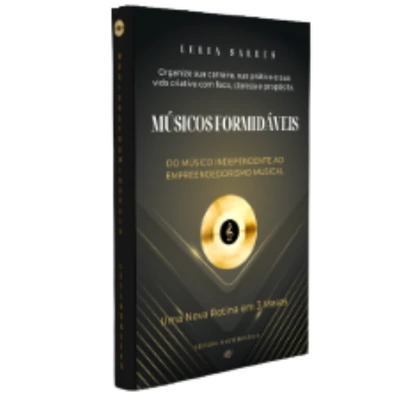
If you want to structure your journey, organise the operational chaos and achieve true creative and financial independence, without suffering from work overload, the course Formidable Musicians from Master Musica is the map for this transformation. Discover how to apply frameworks from great startups to safeguard your time, monetise your art and take definitive control of your profession.
Discover the Exact Method to Transform Your Routine without Stress!
Do you want to understand in practice how these disciplines of agility, marketing and finance work in a perfectly integrated way in the creative job market?
Click here to see the Complete Syllabus and Subjects of Formidable Musicians